
How to Get Better at Noillirk: Finding the Answer Everybody Gives
Noillirk pays the most for the answer the most people give. How the nine-answer board works, why the clever answer keeps you grounded, what a refused answer really costs, and what is waiting at the edge of the universe.
Introduction
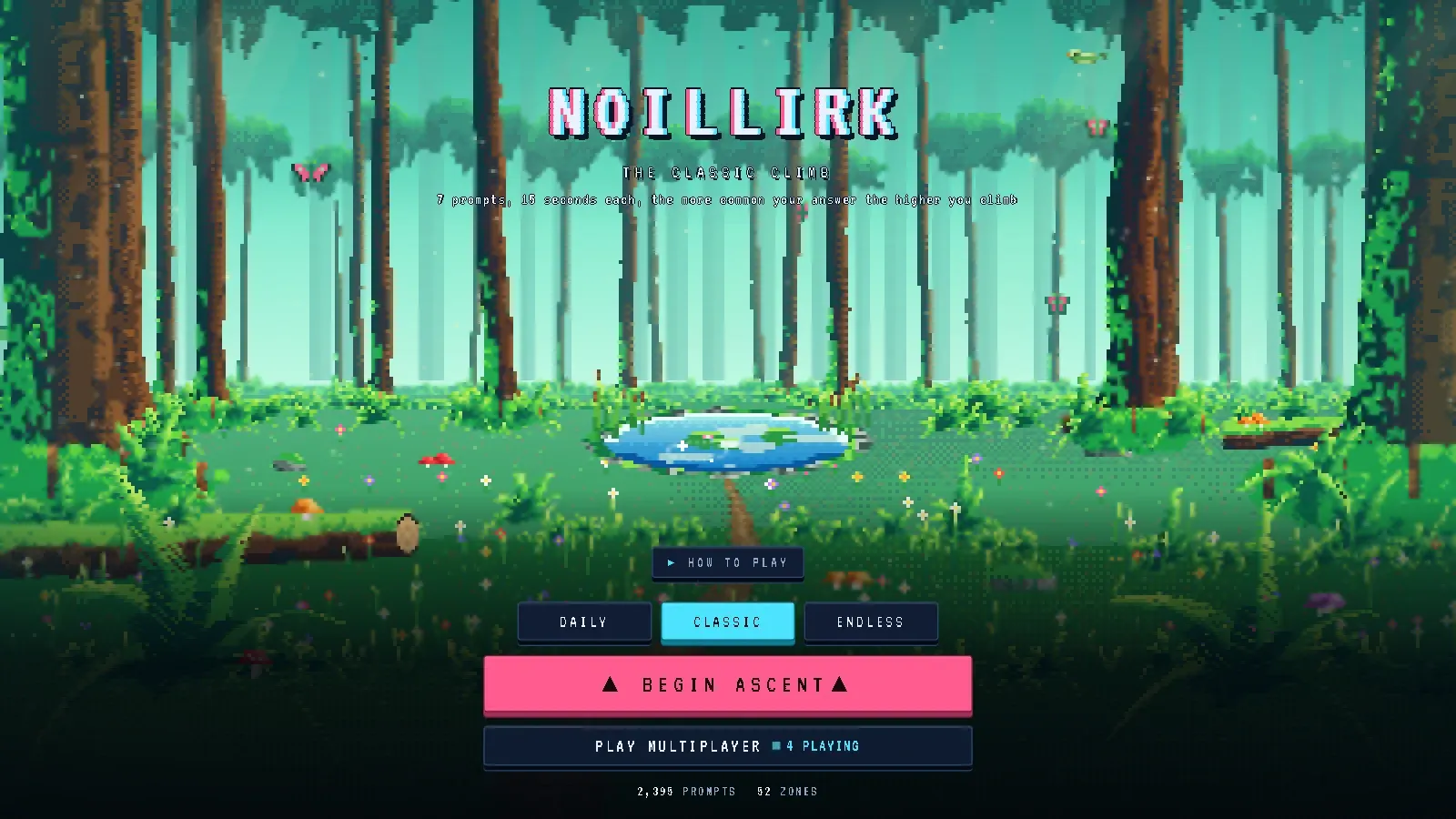
Most quiz games reward you for knowing something other people do not. Noillirk rewards the opposite: knowing what everyone else would say, and saying it before you talk yourself out of it. Every prompt is a survey question, and its board ranks the answers people give, most common first. The more common your answer, the higher a small pink krill floats on its bunch of balloons, from a pond on the forest floor toward the edge of the universe. It is the krill from Krillion Unlimited climbing the other way, and it needs nearly the opposite instincts. The numbers below are the rules of Noillirk.
The Board Is Nine Answers Deep, and Only One Is Sky High
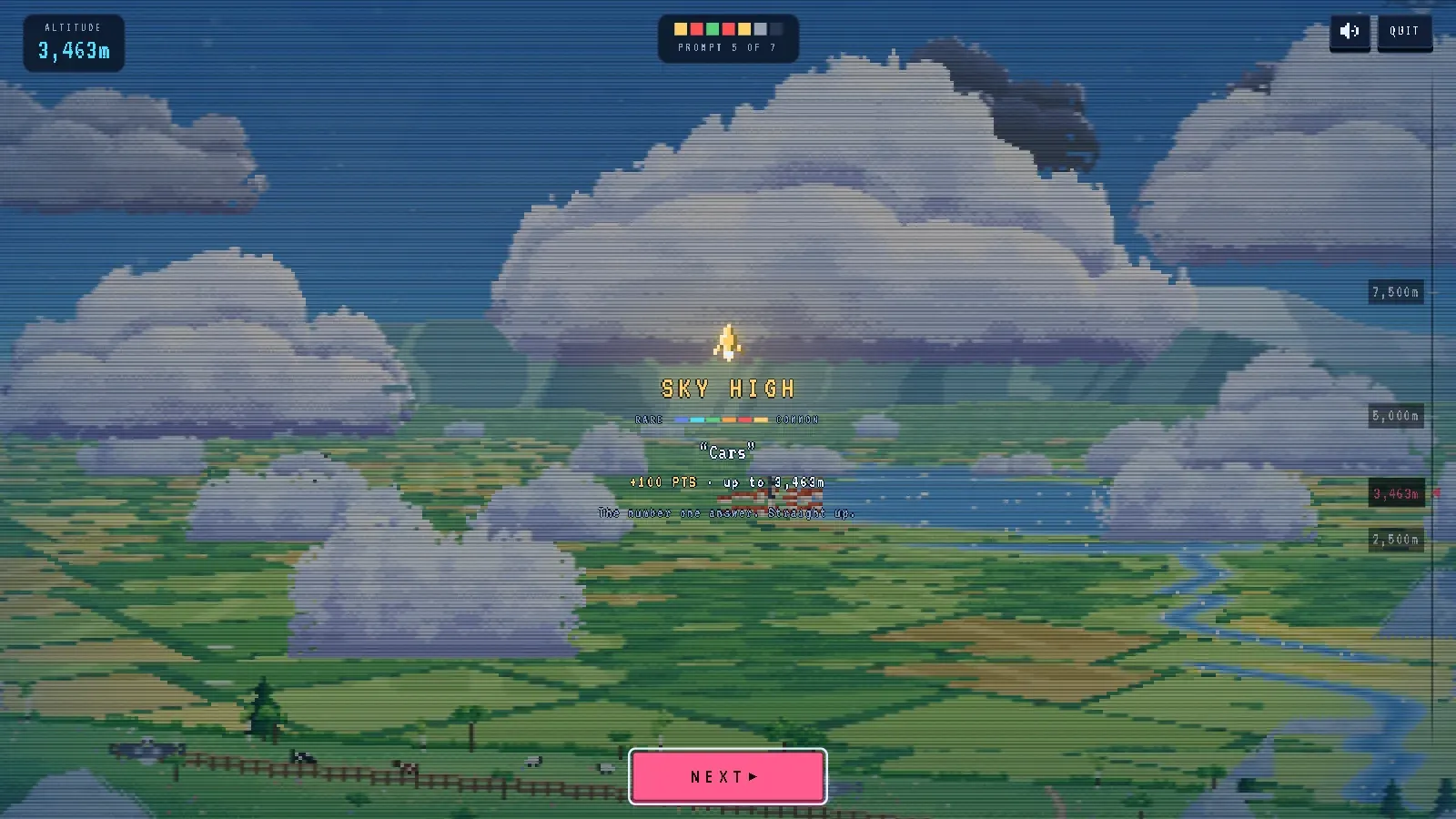
Every accepted answer lands in one of six tiers. SKY HIGH, worth 100 points, is the survey's number one answer and nothing else. JET STREAM, worth 64, is the second, third and fourth answers. CLOUD NINE, worth 32, covers the fifth to the ninth. Below the board come KITE at 16 for answers a few people gave, TREETOP at 8 for answers hardly anyone gave, and GROUNDED at 4 for the answer nobody else said.
Two rules make the top hard to reach. Only one answer per prompt is SKY HIGH, so even a strong second answer is worth 64 points to the best one's 100. And an answer the board does not list tops out at CLOUD NINE, however sensible it is. A classic climb is seven prompts with fifteen seconds each: seven CLOUD NINE answers lift you about 700 metres, seven JET STREAM answers about 7,400, and a perfect climb of seven SKY HIGH answers reaches 14 kilometres, the top of the weather.
Answer for the Crowd, Not for Yourself
The board pays for the first thing ordinary people say, so the skill is predicting a crowd rather than showing what you know. Three habits do most of the work.
- Say the general word. Asked what people lose, the crowd says keys, not car keys. The specific version can land lower on the board, or off it entirely.
- Picture a child and a grandparent. The answer you would hear from both of them is usually number one. The answer only you would give is the one that scores least.
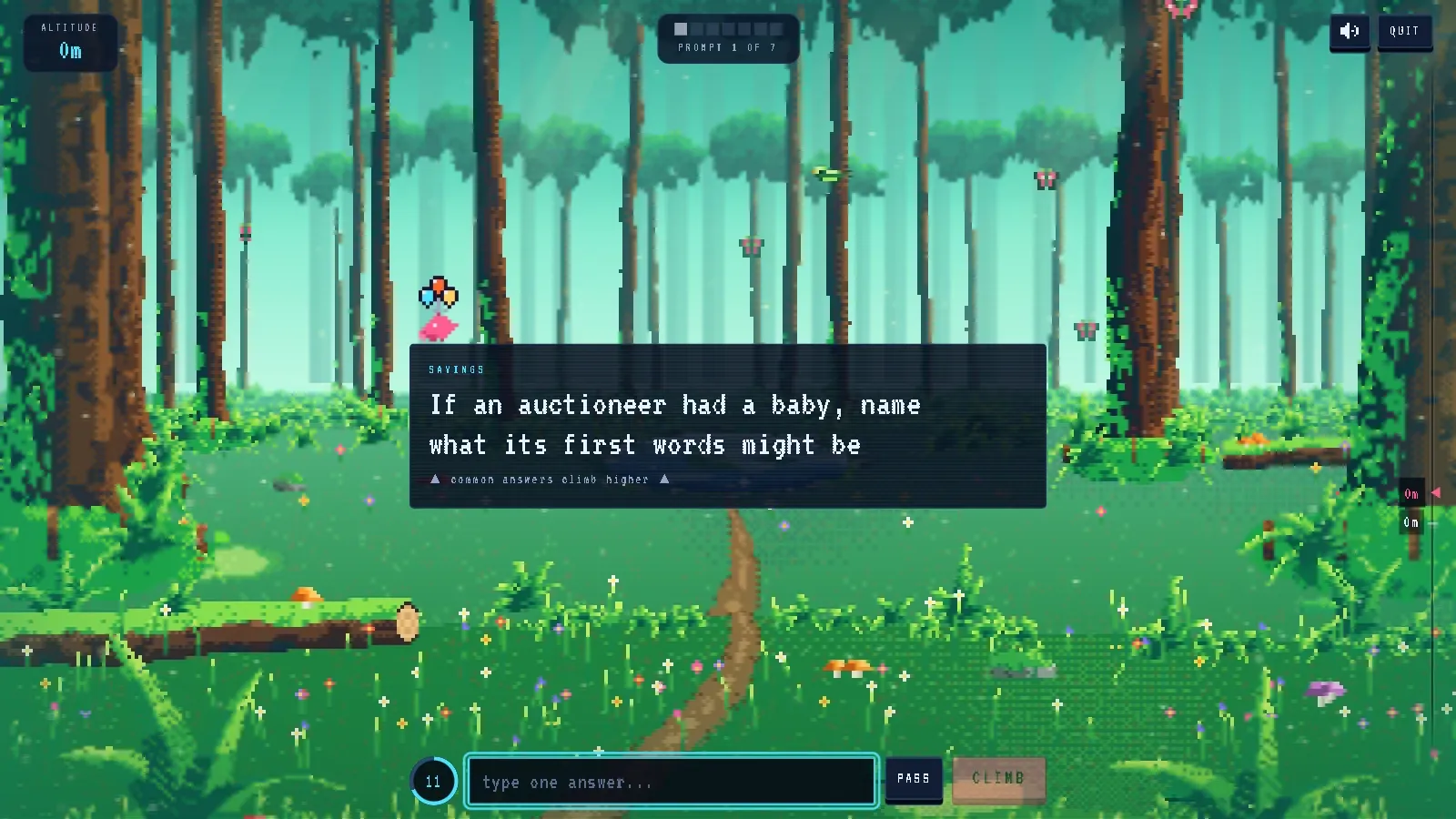
- Take the joke everyone makes. Asked what an auctioneer's baby might say first, the board's number one is the punchline, Sold, because almost everybody reaches for the same joke.
A Refused Answer Costs You Only Seconds
Type an answer that does not fit and it is refused, not punished. The reason shows under the box, nothing comes off your score, and the time spent judging your answer is given back, up to a few seconds a prompt. The judge is forgiving about form: typos, plurals and slang are fine, and filler is dropped, so a big fluffy blanket counts as blanket. What it refuses is the prompt's own words handed back, catch-alls like stuff or everything, jokes, nonsense, and two answers in one. Hedging with "blanket and basket" gets you nothing, so commit to one.
An accepted answer ends the prompt, and in Noillirk your first instinct is usually the crowd's, so type it straight away. Spend the clock only when you genuinely cannot choose between two answers that both feel obvious, and then take the plainer one.
Endless Is About Balloons, Not Points
Endless mode deals prompts one at a time with no end, and the krill carries three balloons. Only a miss pops one: the clock running out with nothing accepted, or a pass. Any accepted answer keeps your balloons, even one that lands GROUNDED, and a SKY HIGH answer gives a popped one back, up to three. The prompts do not get harder as you rise; they are dealt at random all the way up.
So the one rule of Endless is never to let the clock run out. An ordinary answer typed with seconds to spare costs you nothing but height. A long hunt for the perfect answer that ends with an empty box costs a balloon. Good Endless climbs are mostly JET STREAM and CLOUD NINE answers typed early, with a SKY HIGH often enough to keep all three balloons flying.
The Sky Is the Scoreboard
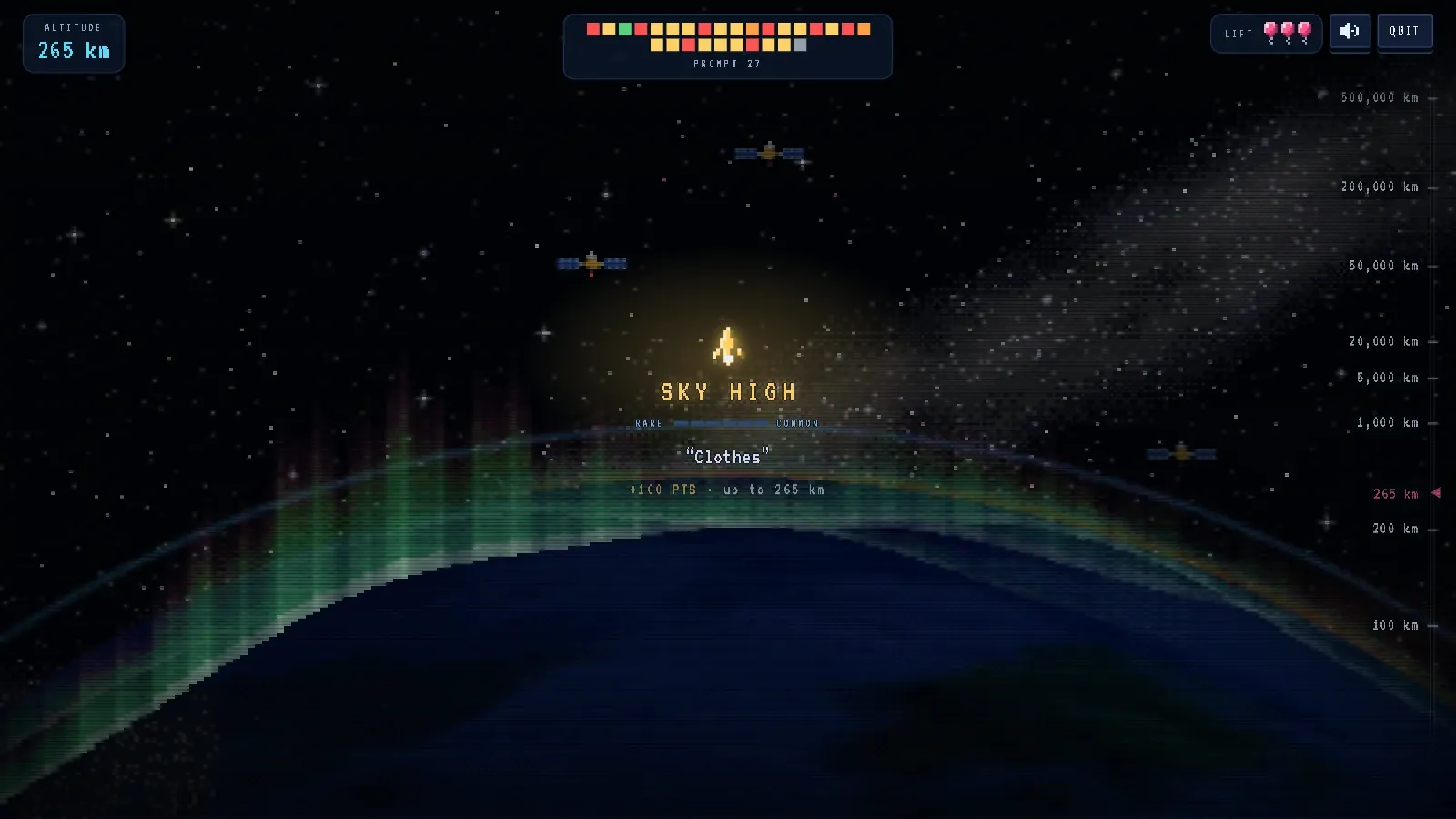
Every point is ten metres of climb, and each zone maps its stretch of climb onto a real span of sky, so the readout in the corner is a true altitude. The early zones are the real sky: the understory and the canopy, a valley with the tallest tree on Earth, the low clouds, the mountains, the inside of a thunderhead, the death zone around Everest's 8,849-metre summit, and cruising altitude, where the airliners fly.
The time of day comes from the altitude, not from your clock, so everyone at the same height sees the same sky. It is a bright morning in the forest, golden hour on Everest and sunset at the top of cruising altitude. Above that it is night, until the sun comes up again at the height of the space station.
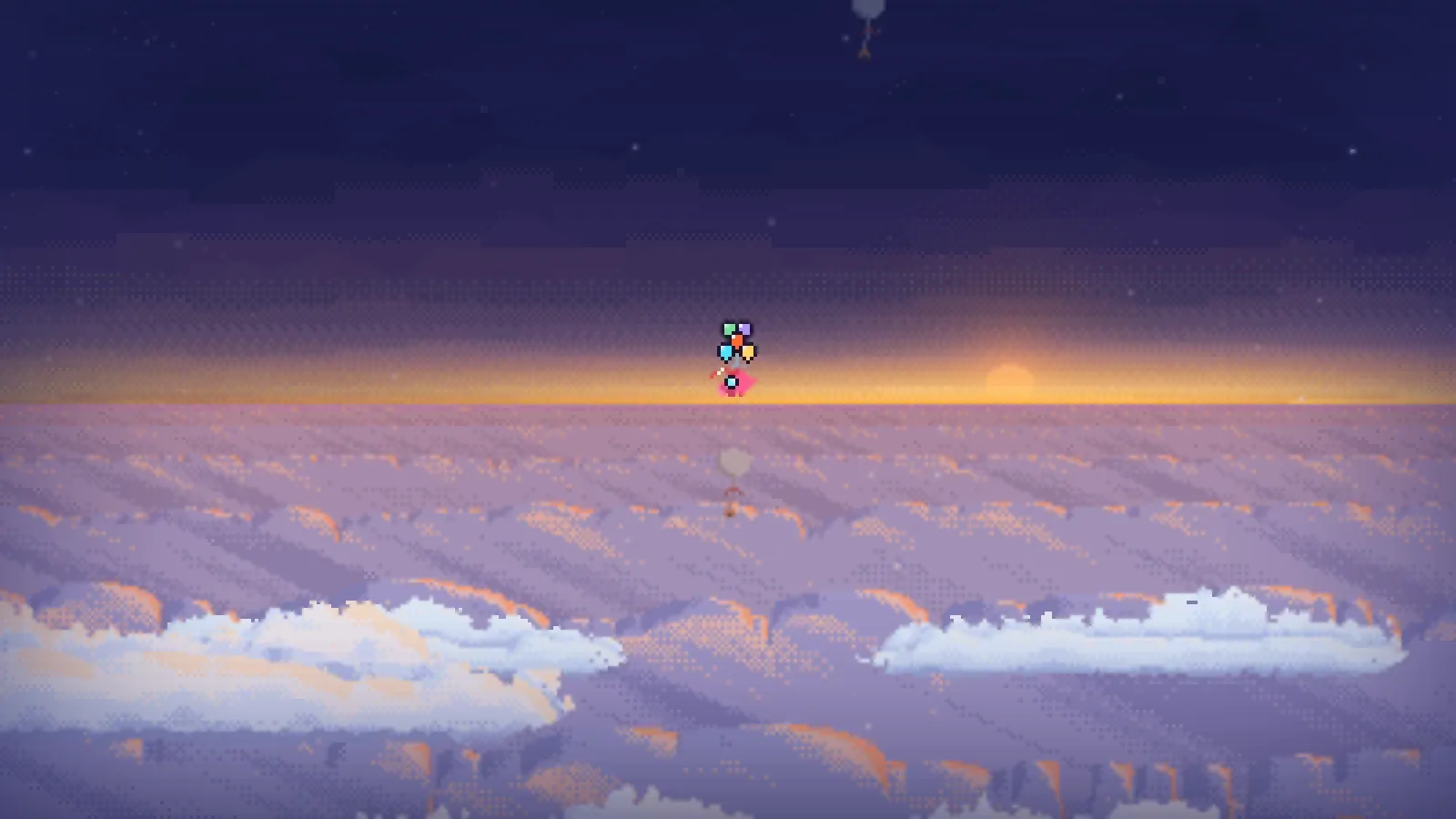
A perfect classic climb stops at 14 kilometres, but Endless keeps going. The Kármán line, where space begins, is 1,800 points up. Then come the aurora, the space station's orbit at 408 kilometres, about 2,300 points, the Van Allen belts, the satellites of GPS and geostationary orbit, and the Moon at 384,400 kilometres, about 3,250 points from the pond.
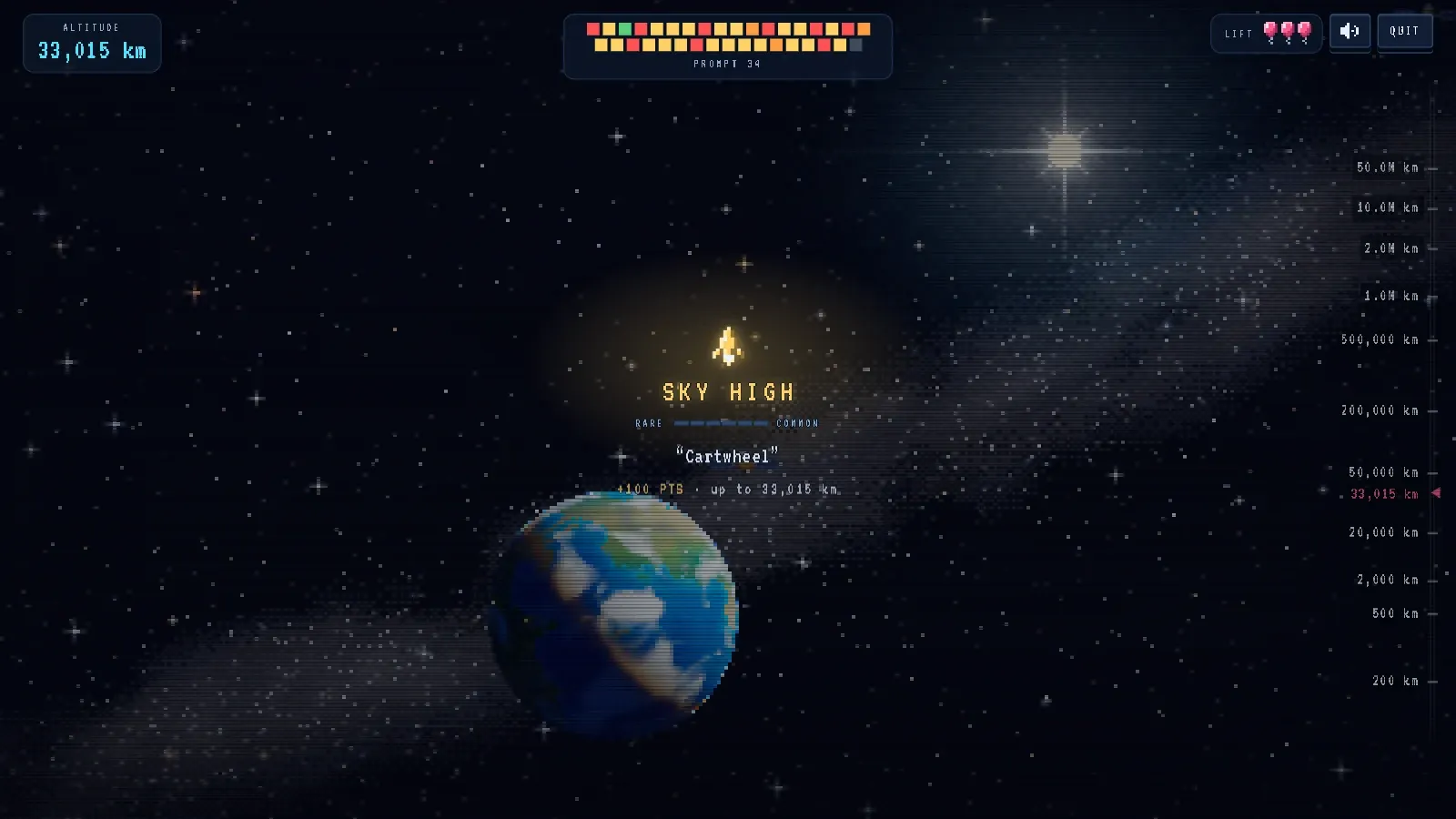
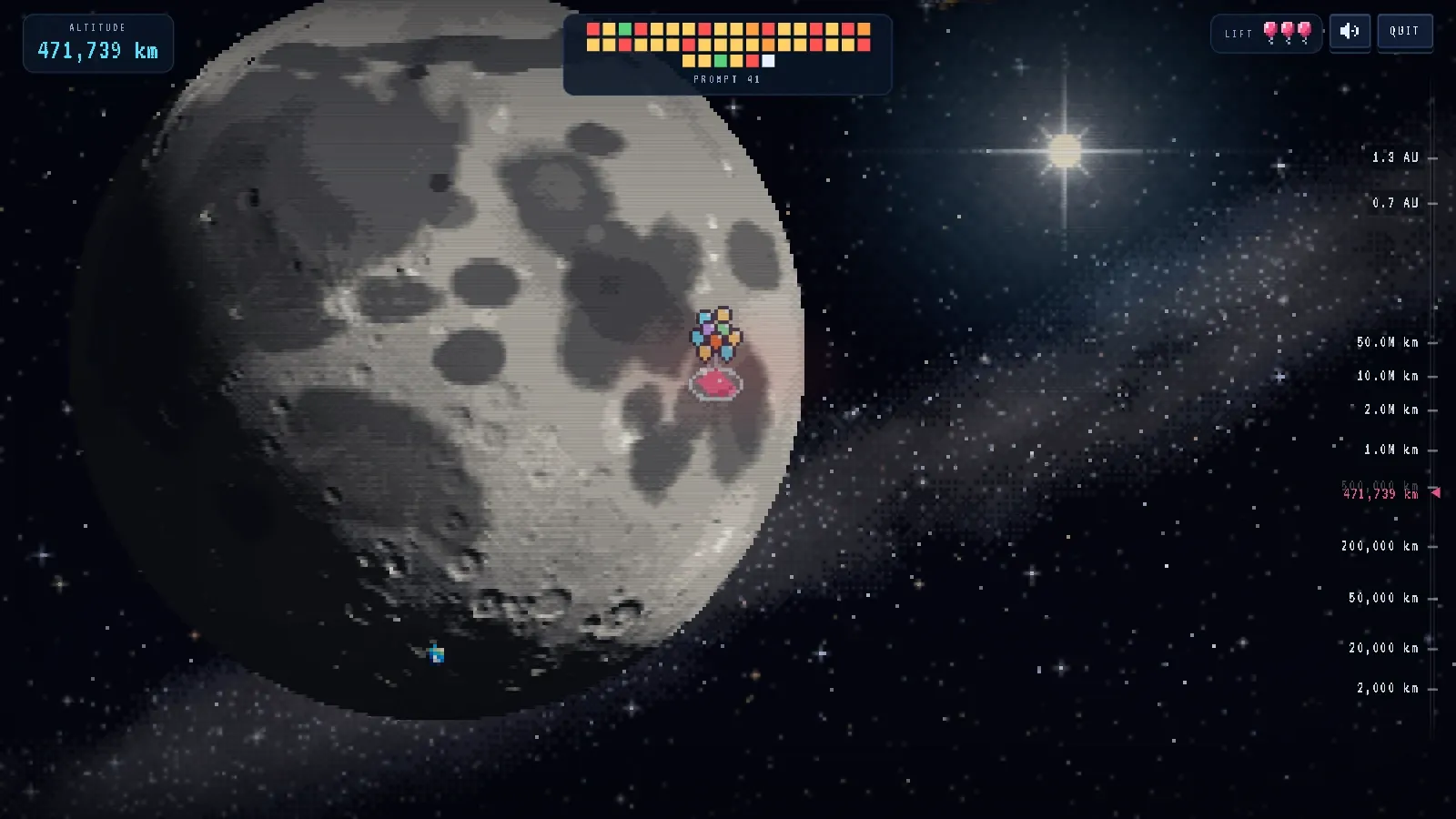
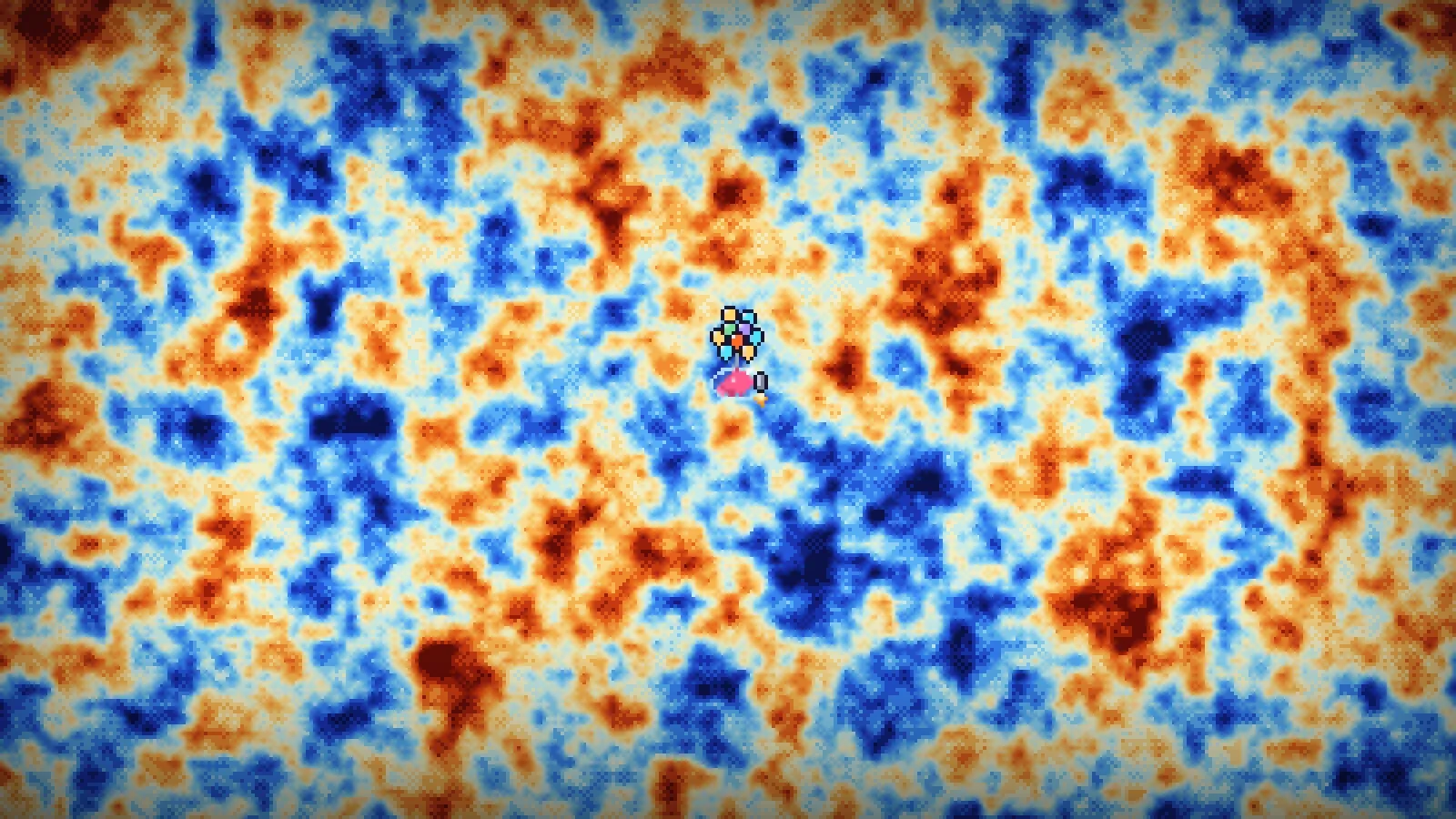
After the Moon come the planets and the Sun, Voyager 1 at the heliopause, the Oort cloud, Alpha Centauri, the Pleiades, the Pillars of Creation, the Milky Way seen whole, Andromeda and the cosmic web. There are 52 zones in all. The last is the Last Light, the cosmic microwave background, 46.5 billion light years out at the edge of the observable universe. Reaching it takes 16,000 points, or 160 SKY HIGH answers in a row.
A Realistic Target
A classic climb of mostly JET STREAM and CLOUD NINE answers lands somewhere between the valley and the thunderhead, a few kilometres up. Clearing Everest takes 514 points, which needs at least two SKY HIGH answers. A test climb for this guide went SKY HIGH four times, JET STREAM twice and KITE once for 544 points, and stopped at 9,394 metres in the death zone, just above the summit. Seven for seven is 700 points and 14 kilometres, and it is rarer than it sounds.
Where to Climb
Noillirk has three ways in. The daily climb is the same seven prompts for everyone, once a day, and it resets at midnight UTC. Classic deals seven fresh prompts from a bank of about 2,400 every time you start, and Endless keeps dealing until your balloons run out. Play multiplayer opens Climb Together, where up to 30 people answer the same prompt at the same moment, in rooms of 5 to 50 prompts or a private room on a six-digit code.
If you want the opposite discipline, Krillion Unlimited pays for the answer nobody else gives, and we wrote up how to get better at it too.
About the author
Timmothy is a student who has loved puzzle games since childhood and likes digging into how they actually work. He writes about the science and history behind the games on Daily.